Skip to content

Notebook

Notes from the work

We test new models, benchmarks and deployment patterns as they appear, and write about what holds up in real companies.

Latest article

Latest9 min read

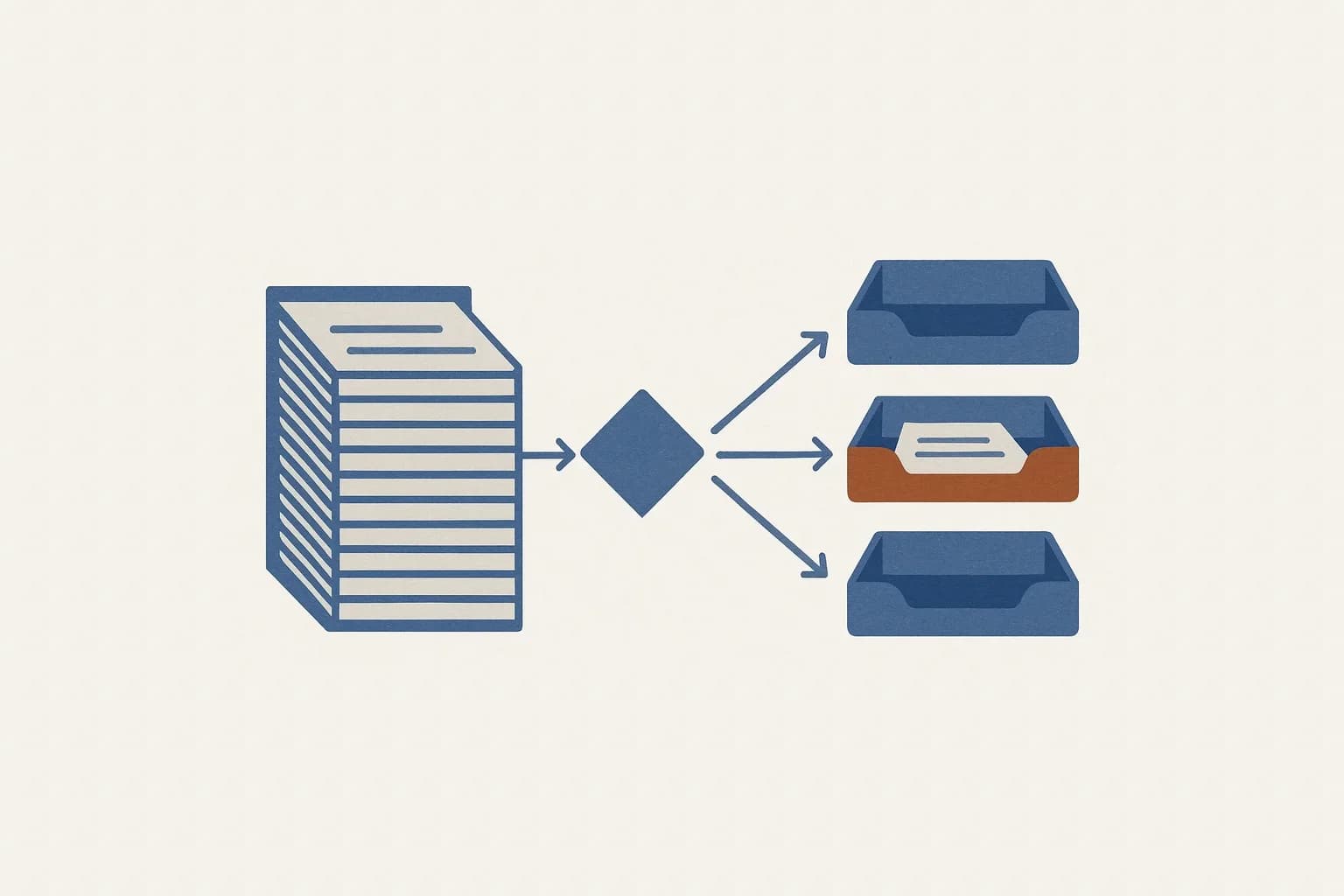
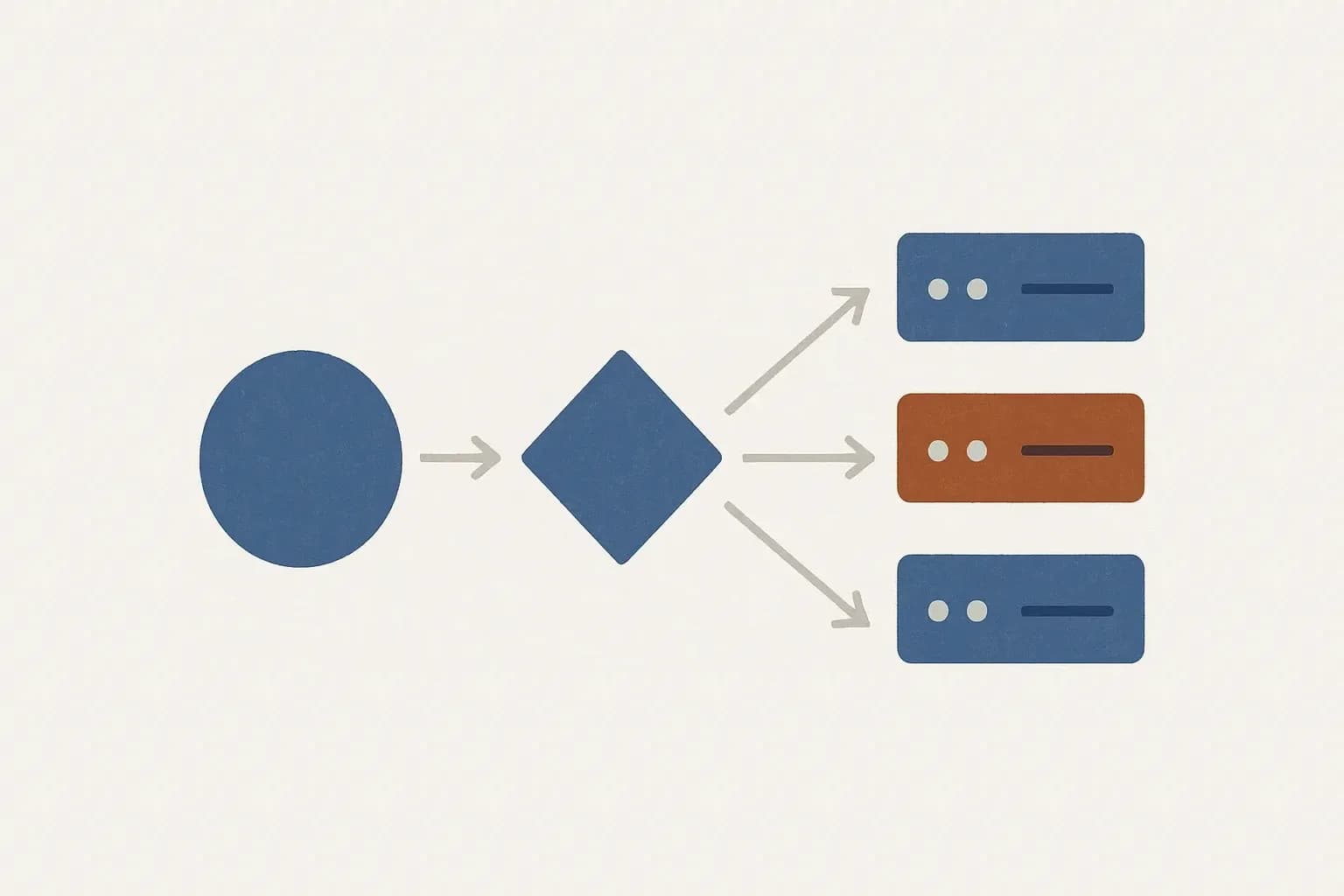
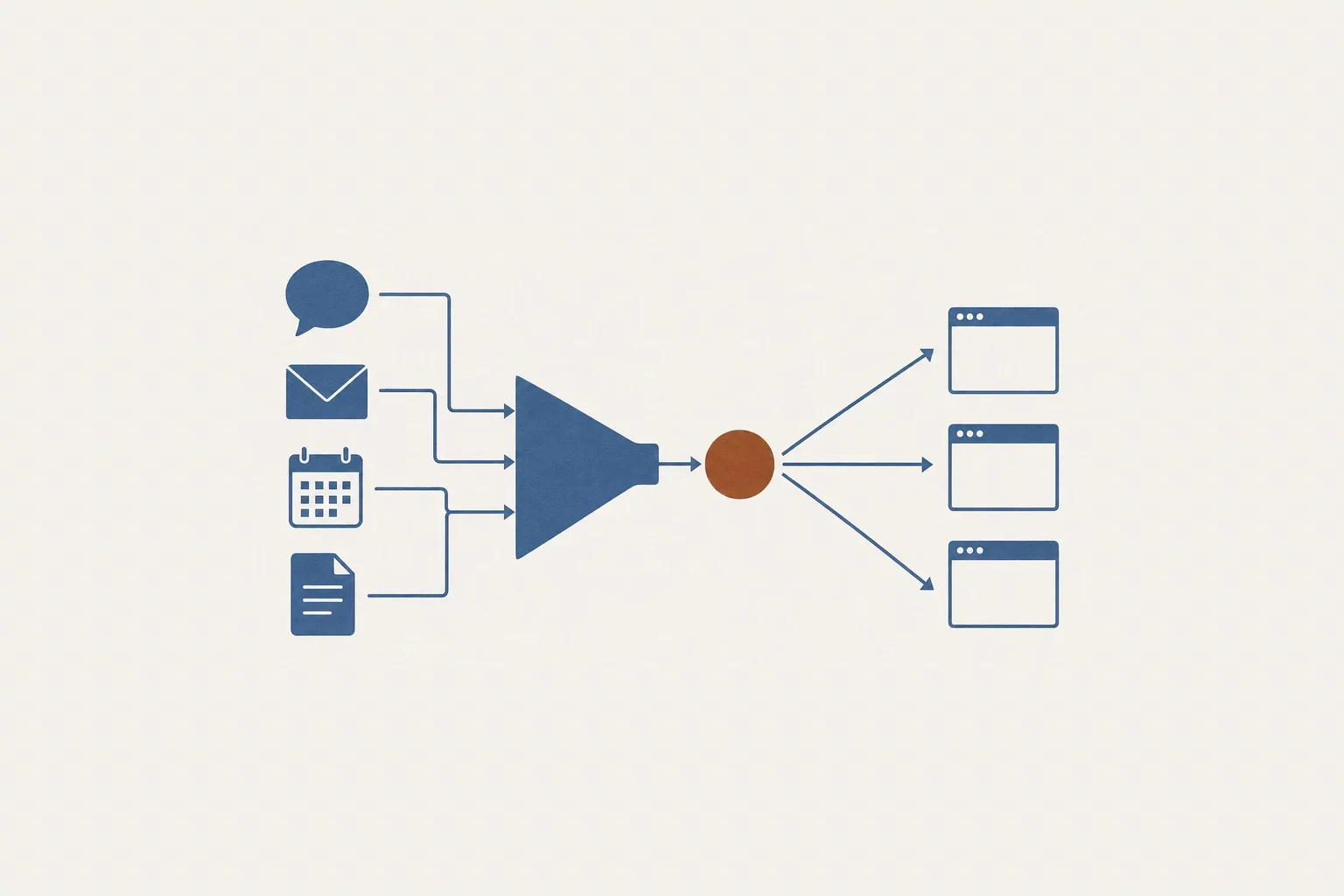
DeepSeek's Super-agent: a blueprint for a background agent

In the DeepSeek Harness team's experience, a person can follow only three to five active agent sessions at once. Their Super-agent design takes session management off people: the agent picks up events from chat and GitHub, splits the work and speaks up only when someone has to decide.

AI agentsArchitectureSoftware development
Read
All articles

9 min read

How the big players review code: inside the Claude Code team

About 90% of Claude Code's code is written by Claude, and from June to September merged pull requests more than doubled while the share that had to be reverted fell by more than 40%. How the team reviews that code, and what a small company can take from it.

Read
7 min read

Basal on public tenders: 2,452 notices for 72 cents

For 79.3% of 2,452 notices from one week of Poland's procurement bulletin, basal‑1.5‑max picked the right industry, 6 points ahead of the Bielik 11B it was built from. It found only half of the IT notices, though, and its confidence threshold, set for 1% errors, let through 5% on our data.

Read
10 min read

Basal: how an open Polish decision model was built

On the first version of the data, one training pass over 15,000 examples lifted accuracy from 47.6% to over 82%, and changes to serving alone cut a decision from 177 ms to 12.5 ms. The basal‑1.0 technical report walks through building the model in 13 steps, and version 1.5, released on 4 October, adds an 11B model and a hidden test on which Jev is still ahead.

Read
6 min read

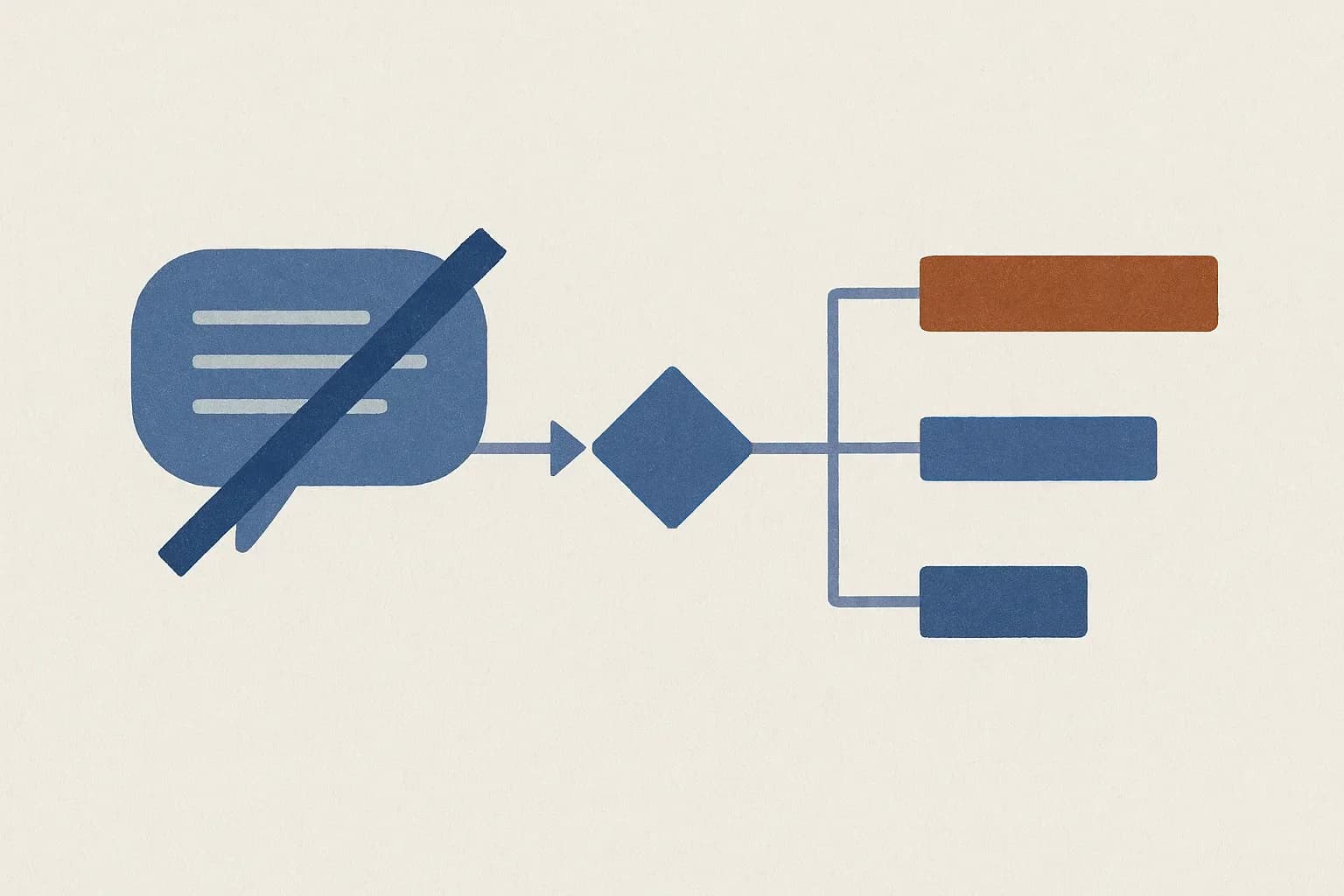
Jev: a model that returns a decision, not a sentence

TypeSafe AI released a model on 15 September that writes no text at all. It hands back a chosen option and a probability, costs $0.042 per million input tokens, and charges nothing for output. Here is what survives once the marketing is subtracted.

Read
7 min read

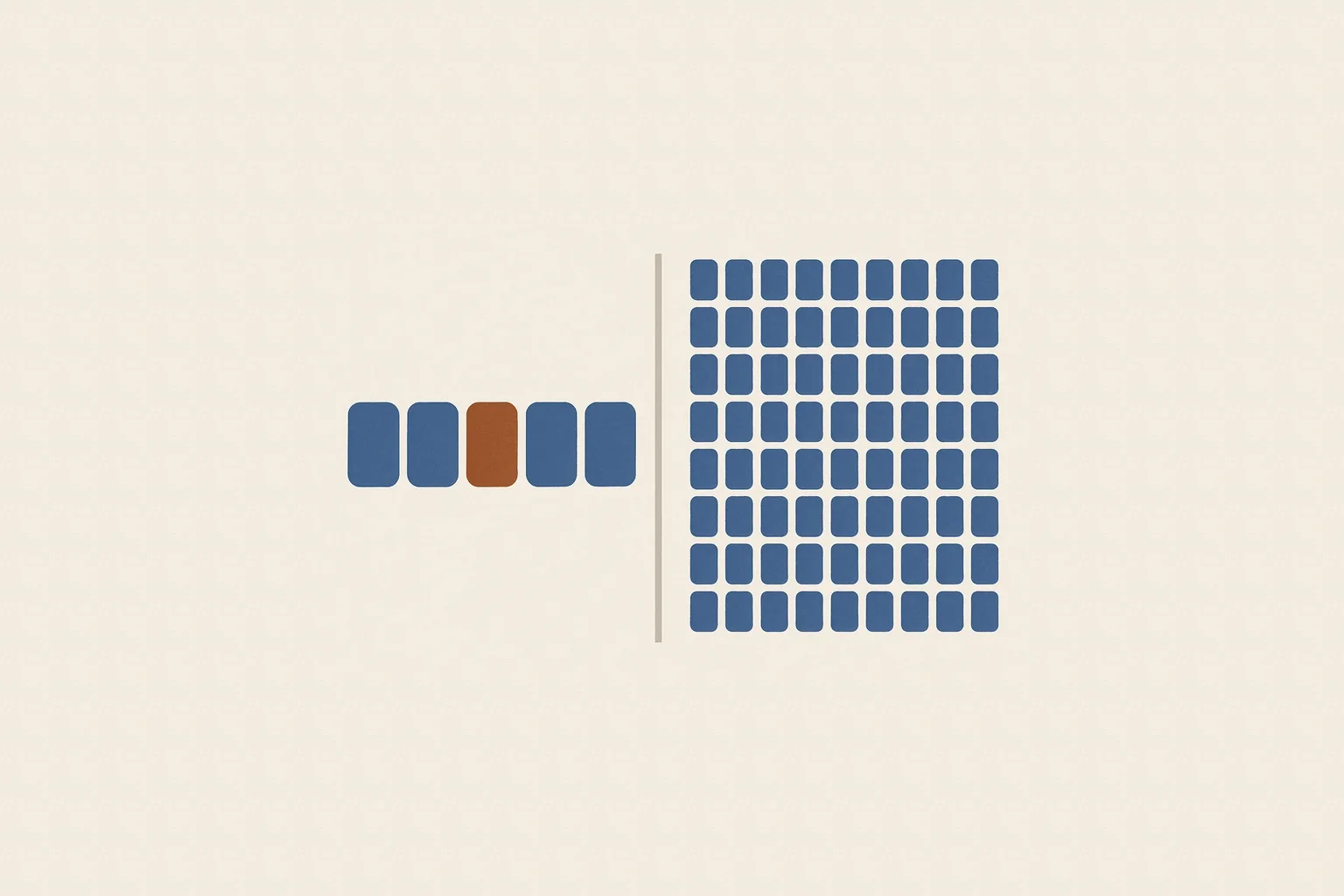
Agent skills: why five beat a hundred

With five skills in the pool, 29.6% of the skills an agent actually uses are the right one; with a hundred, 3.3%. And in August a public skills registry served clones that stole SSH keys. Four rules for a team working with agents.

Read
8 min read

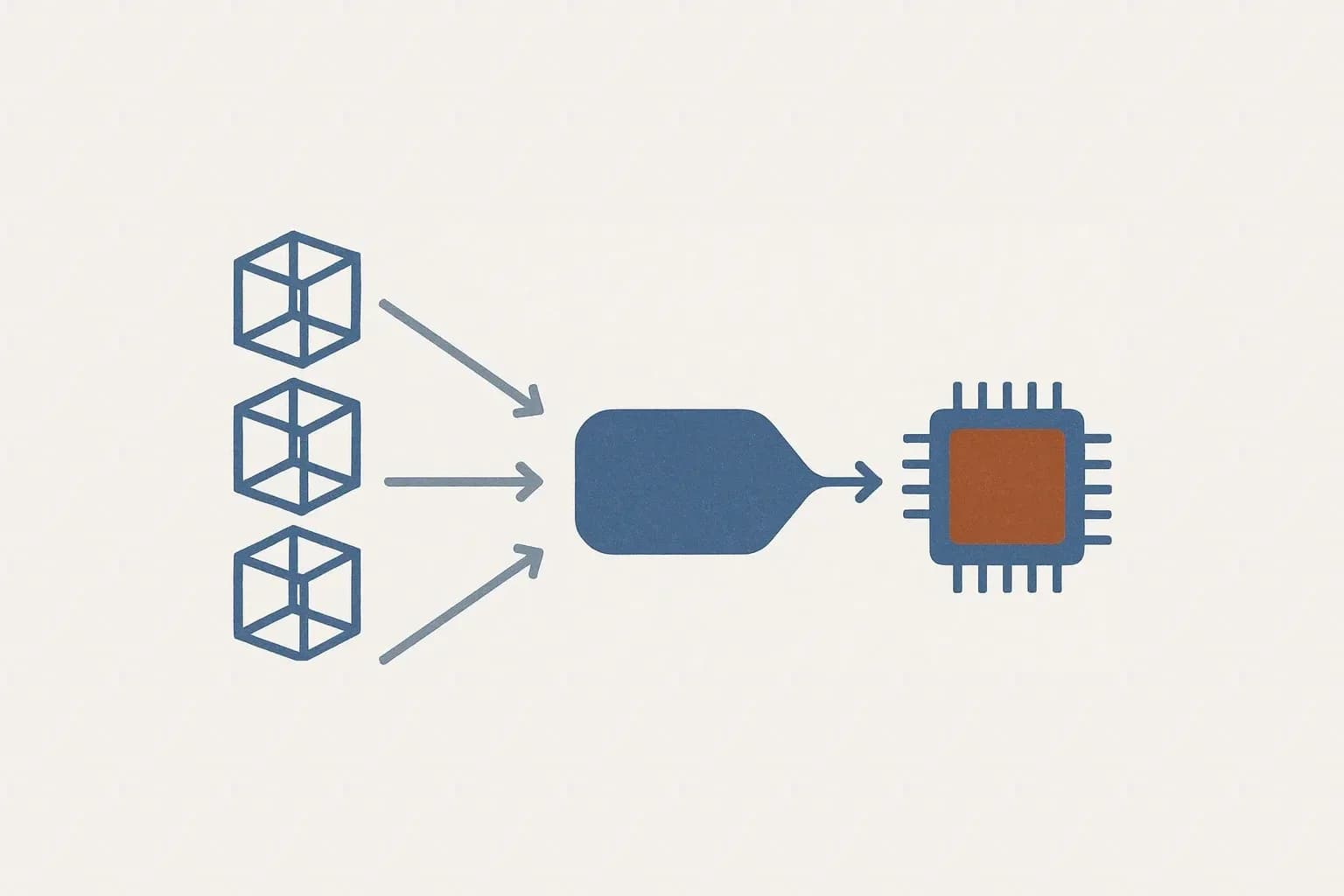
What a language model actually costs to run

From $0.40 to $50 per million tokens in September 2026 list prices, a context window the model only partly uses, and two separate numbers that both get called latency. Figures you can multiply against your own process.

Read
5 min read

Foundation models are learning numbers, not just words

TabPFN predicts on tables without training a model, Revolut trained one on 24 billion events, and Synthefy is raising money for time series. What it means for a company with data but no AI team.

Read
8 min read

Agents in e-commerce: what works today, measured

In the retail domain of a public benchmark, an agent passes 79% of cases on the first attempt and 60% when the same case is run four times. The second number decides whether it can face your customers.

Read
8 min read

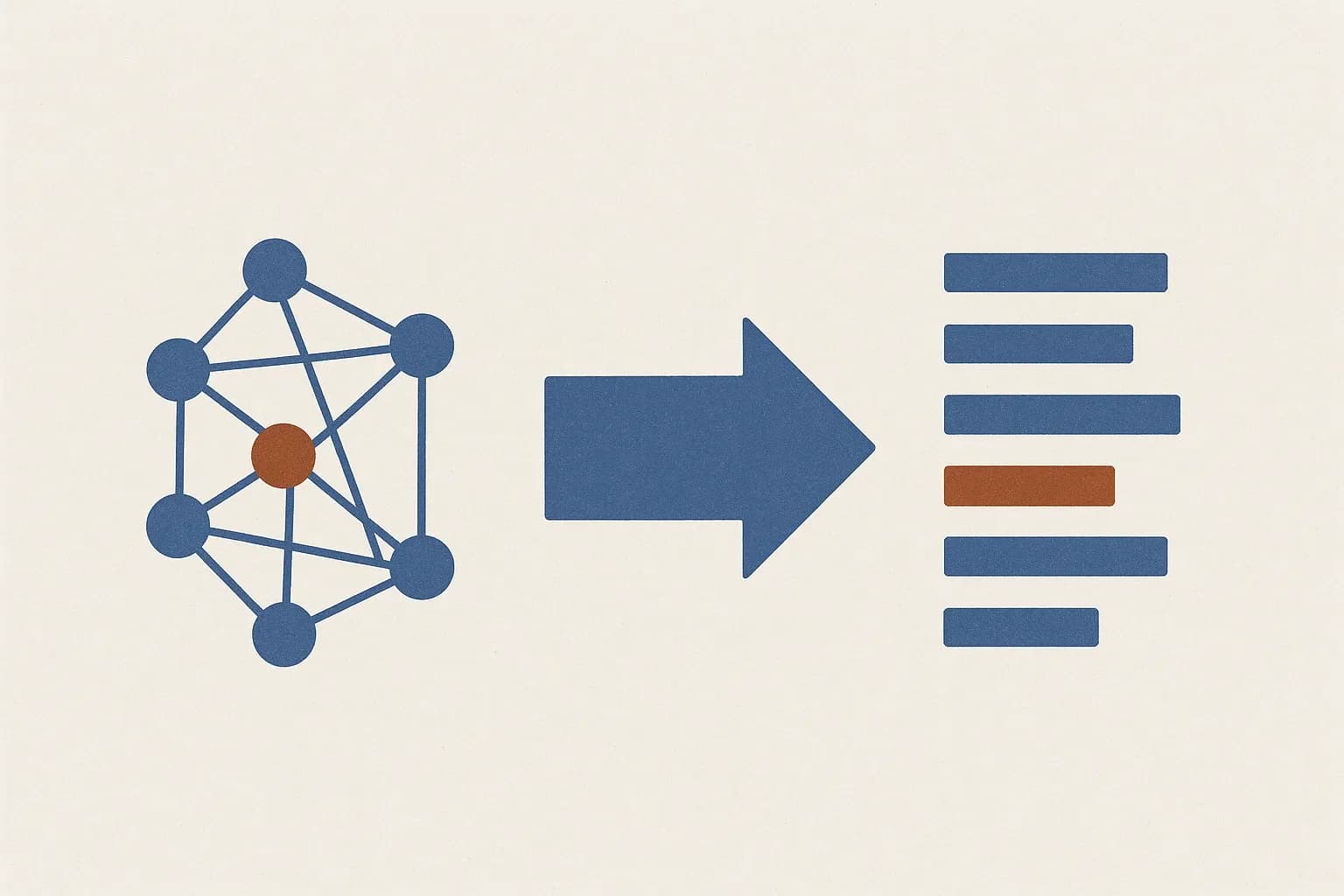
Cleora: recommendations without a language model

An open-source graph embedding engine built in Poland. What its authors actually measured, what such a recommendation costs next to a language model, and the places where the method stops working.

Read
8 min read

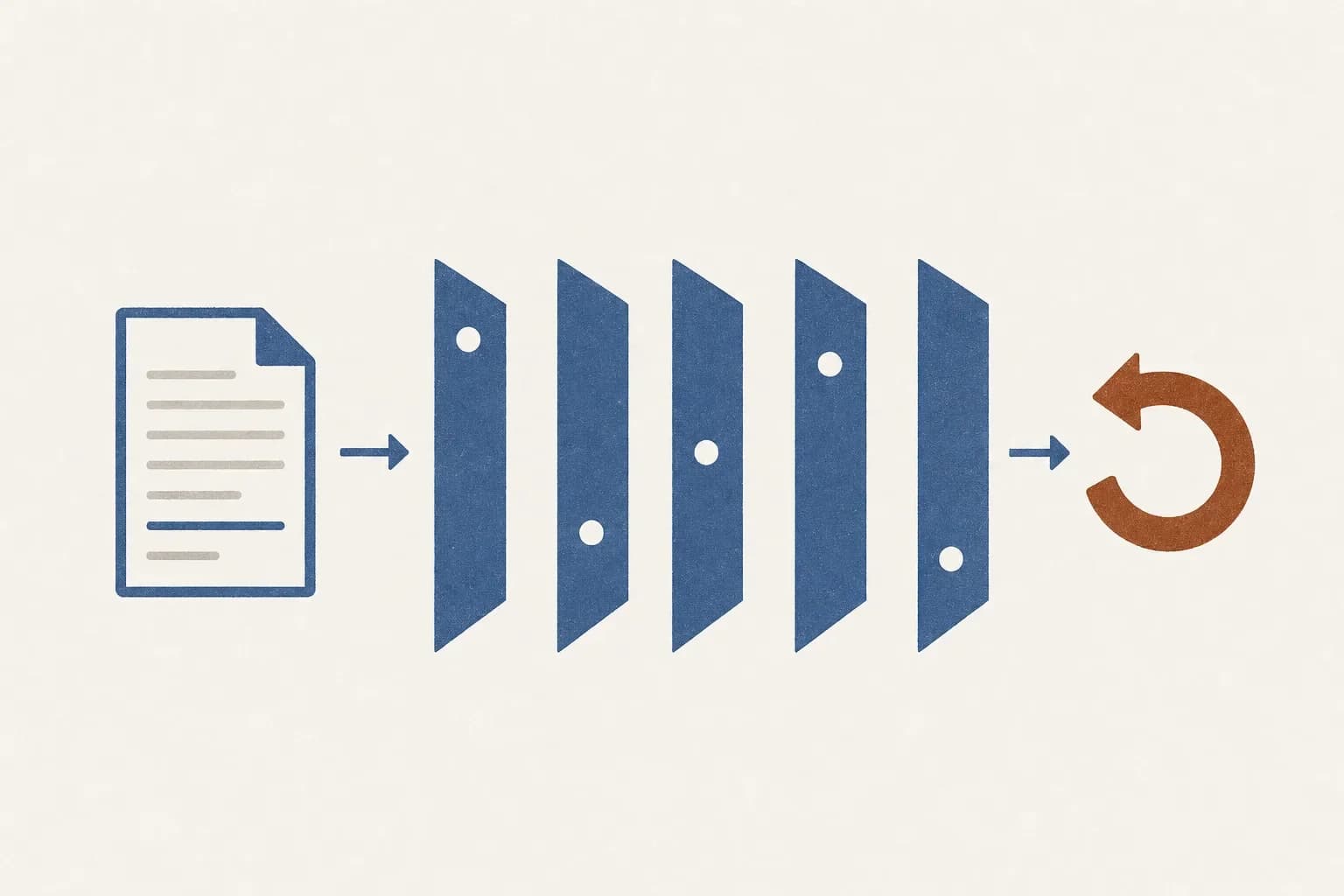
How you know the agent actually works

An agent passed 69 per cent of cases on the first attempt and 46 per cent when every case had to succeed four times running. The numbers, the judge agreement rates and the cost of measuring systems that never answer the same way twice.

Read

Show us the process that costs your team the most time

Describe it in a few sentences. We’ll tell you whether it can be improved, roughly what that would cost, and whether it needs AI at all.